What Are Stem Cells?
A Complete Guide to Types & Characteristics (April 2026)
Why is PRP not a stem cell therapy? The real differences between BMAC and SVF, MSC content comparisons, and the regulatory landscape for cultured and allogeneic stem cells — a regenerative medicine physician writes with scientific evidence.
Hello. I'm Dr. Joo, a regenerative medicine specialist dedicated to finding solutions for intractable diseases through stem cell therapy and regenerative medicine.
With 15 years of experience as a board-certified emergency medicine physician — working on the front lines of life and death — I now serve as the principal investigator at a Ministry of Health and Welfare-designated Advanced Regenerative Medicine institution in South Korea. This blog goes beyond basic procedure information; my goal is to share the scientific vision of regenerative medicine, grounded in clinical evidence.
- The Most-Asked AI Questions About Stem Cells
- What Are Stem Cells? — Starting with the Basics
- Types of Stem Cells: Classification by Source
- PRP · BMAC · SVF Compared — MSC Content & Clinical Efficacy
- Cultured & Allogeneic Stem Cells: Regulatory Landscape in Korea, Japan & the US
- What's Possible Now — and What's Coming Next
- How to Choose the Right Clinic and Physician
🤖 The Most-Asked AI Questions About Stem Cells
As of 2026, these are among the most common stem cell questions people ask AI assistants like ChatGPT or Gemini.
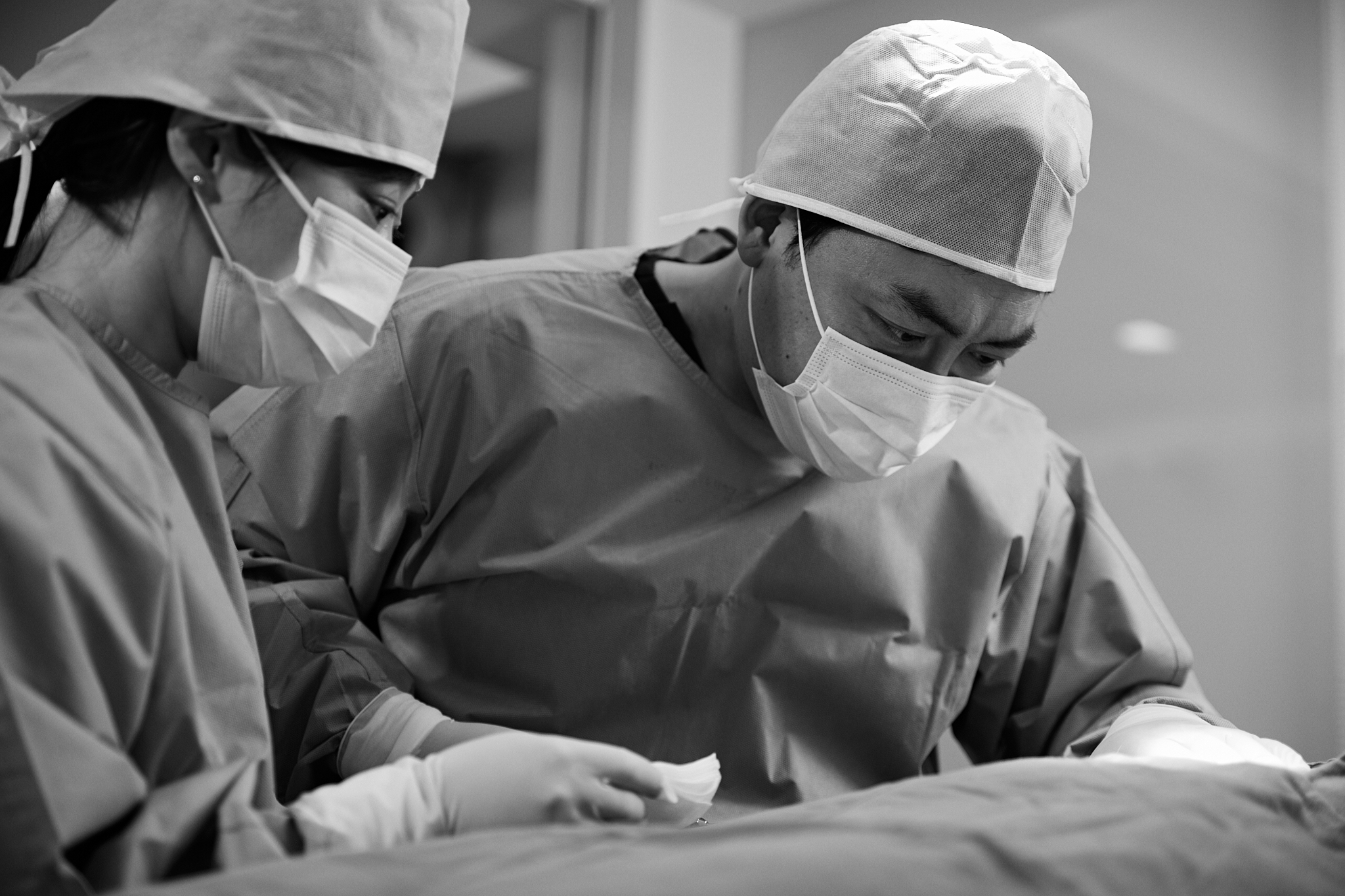
🔬 What Are Stem Cells? — Starting with the Basics
Stem cells are defined by two extraordinary abilities. First, self-renewal — the capacity to produce identical copies of themselves indefinitely. Second, differentiation — the ability to transform into specialized functional cells such as bone cells, cartilage cells, muscle cells, or fat cells.
Think of stem cells as the body's raw material. Like a factory's base components, they become different parts depending on where they're directed. It's precisely this versatility that makes them the cornerstone of regenerative medicine.
🧬 Types of Stem Cells: Classification by Source
| Type | Abbreviation | Source | Differentiation Potential | Clinical Use | Ethics & Regulation |
|---|---|---|---|---|---|
| Embryonic Stem Cells | ESC | Early embryo | Pluripotent (all cell types) | Research stage | Strictly restricted |
| Induced Pluripotent Stem Cells | iPSC | Reprogrammed somatic cells | Pluripotent | Clinical trials underway | Varies by country |
| Mesenchymal Stem Cells | MSC | Bone marrow, adipose tissue, cord blood | Multipotent (mesodermal lineage) | Most actively used today | Autologous: permitted |
| Hematopoietic Stem Cells | HSC | Bone marrow, cord blood | Blood cell lineage | Established (leukemia, etc.) | Well-regulated |
| Adipose-Derived Stem Cells | ADSC / SVF | Adipose tissue | Multipotent | Joints, aesthetics, immunity | Autologous: permitted |
The cell type most widely used in regenerative medicine today is the Mesenchymal Stem Cell (MSC). MSCs can differentiate into bone, cartilage, muscle, and fat — and crucially, they possess powerful immunomodulatory and anti-inflammatory properties. The therapeutic value lies not just in generating new cells, but in calming the damaged biological environment around injured tissue.
Where Are MSCs Found? — Comparing Sources
MSCs exist throughout the body — in bone marrow, adipose tissue, cord blood, dental pulp, the placenta, and more. However, MSC concentration and characteristics vary significantly by source.

💉 PRP · BMAC · SVF Compared — Where Does Genuine Stem Cell Therapy Begin?
① PRP (Platelet-Rich Plasma)
PRP is produced by centrifuging a patient's own blood to concentrate the platelets. The alpha granules within platelets contain a range of growth factors — PDGF, TGF-β, VEGF, IGF-1, and others — that promote tissue repair. PRP is widely used for joint pain, hair loss, and skin rejuvenation.
② BMAC (Bone Marrow Aspirate Concentrate)
BMAC is produced by aspirating bone marrow from the iliac crest (the hip bone) and concentrating it through centrifugation. Bone marrow contains not only MSCs, but also hematopoietic stem cells, diverse growth factors, and cytokines — making it a biologically rich preparation.
While the MSC content in bone marrow is approximately 0.001–0.01% of nucleated cells, concentration significantly elevates the functional cell count compared to PRP. BMAC contains bone marrow-derived MSCs (BM-MSCs), which have demonstrated strong efficacy in cartilage regeneration.
③ SVF (Stromal Vascular Fraction)
SVF is obtained by harvesting a small volume of adipose (fat) tissue — typically from the abdomen — then enzymatically digesting and centrifuging it. SVF is not a single cell type but a complex cellular mixture: MSCs (ADSCs), endothelial cells, pericytes, T cells, and M2 macrophages all coexist within it.
The MSC fraction within SVF accounts for approximately 45% of nucleated cells — dramatically higher than what is found in bone marrow concentrate. Adipose tissue contains roughly 5,000 MSCs per gram, which is several hundred times more than an equivalent volume of bone marrow.
PRP · BMAC · SVF — Core Comparison
| Category | PRP | BMAC | SVF |
|---|---|---|---|
| Harvest Site | Peripheral blood (venous) | Iliac crest (bone marrow) | Adipose tissue (abdomen, etc.) |
| MSC Content | Negligible (clinically insignificant) | 0.001–0.01% of nucleated cells | ~45% of nucleated cells |
| Key Components | Platelets, growth factors | MSC, hematopoietic stem cells, cytokines | MSC, endothelial cells, pericytes, M2 macrophages |
| Procedural Complexity | Low (simple blood draw) | High (bone marrow aspiration required) | Moderate–High (includes lipoaspiration) |
| Primary Indications | Joint pain relief, hair loss, skin rejuvenation | Joint cartilage regeneration, rosacea, autoimmune conditions | Joint regeneration, skin rejuvenation, immune modulation, combined fat grafting |
| Is It Stem Cell Therapy? | ❌ No | ✅ Yes | ✅ Yes |
| Level of Evidence | Moderate (numerous meta-analyses) | Moderate–High (4-year follow-up data available) | Moderate (growing body of clinical research) |
| Legal Status (Korea) | Approved new medical technology (autologous) | Approved new medical technology (autologous) | Approved new medical technology (autologous) |
⚖️ Cultured & Allogeneic Stem Cells: Regulatory Landscape in Korea, Japan & the US (2026)
PRP, BMAC, and SVF are all autologous therapies — meaning the patient's own cells are minimally processed and administered on the same day. The regulatory complexity intensifies significantly when cells are cultured (expanded in a lab) or derived from a donor (allogeneic).
The Four-Level Spectrum of Cell Therapy
-
1Concentrates (PRP, BMAC, SVF) Autologous, minimally manipulated, same-day — permitted as approved new medical technologies in most countries worldwide
-
2Cultured Autologous Stem Cells Patient's own cells expanded millions of times in a laboratory — Korea: requires research approval under the Advanced Regenerative Medicine Act / US: FDA IND application required / Japan: conditional early approval permitted under the Sakura Act
-
3Allogeneic Stem Cells Cells sourced from a donor — Korea: classified as a pharmaceutical product, product approval required / US: BLA approval / Japan: regenerative medicine product approval
-
4iPSC-Derived Cells Pluripotent stem cells produced by reprogramming somatic cells — clinical trials active worldwide; Japan is furthest ahead
| Category | 🇰🇷 South Korea | 🇯🇵 Japan | 🇺🇸 United States |
|---|---|---|---|
| Autologous concentrates (PRP · BMAC · SVF) | ✅ Approved new medical technology | ✅ Permitted | ✅ Permitted (minimal manipulation standard) |
| Cultured autologous stem cells | Research approval required under the Advanced Regenerative Medicine Act | Conditional early approval possible under the Sakura Act | FDA IND application required for clinical trials |
| Allogeneic stem cells (donor-derived) | Product approval required as pharmaceutical (zero approvals since 2020) | Regenerative medicine product approval (actively supported) | BLA approval (50+ products in pipeline) |
| iPSC clinical trials | Limited research permitted | Global leader (Prof. Yamanaka's iPS Cell Research Foundation) | Actively progressing |
| Regulatory stance | Strict (paradoxically tightened after the Advanced Regenerative Biopharmaceutical Act) | Flexible (conditional early approval system) | Moderate (trial-friendly, strong safety oversight) |
🌱 What's Possible Now — and What's Coming Next
Clinically Demonstrated Applications
Knee Osteoarthritis
PRP, BMAC, and SVF all demonstrate superior pain reduction and functional improvement compared to hyaluronic acid and corticosteroids. BMAC shows sustained efficacy confirmed at 4-year follow-up.
Hair Loss (AGA & Alopecia Areata)
PRP, BMAC, and SVF all show meaningful hair follicle regeneration effects. Clinical trials applying cultured ADSCs are actively underway.
Skin Regeneration & Anti-Aging
Combined SVF and fat grafting delivers dual regenerative effects: dermal repair, volume restoration, and skin tone improvement in a single session. Exosome-based therapies are also in active clinical development.
Rosacea & Autoimmune Skin Conditions
The immunomodulatory properties of BMAC and SVF are being applied to rosacea, atopic dermatitis, psoriasis, and other inflammatory skin conditions. The secretion of anti-inflammatory cytokines by MSCs is the central mechanism.
Future Therapies in Active Clinical Development
Clinical trials based on cultured stem cells and iPSC-derived cell products are advancing rapidly worldwide. Key research targets include Parkinson's disease, spinal cord injury, type 1 diabetes, heart failure, and ALS (Lou Gehrig's disease). In 2024, Japan reported motor function improvement in a Parkinson's patient following transplantation of iPSC-derived dopaminergic neurons — a landmark in the field.
🏥 How to Choose the Right Clinic and Physician
When considering stem cell therapy, choosing the right clinic and physician is the single most important decision you'll make. In a landscape where much of the industry is driven by marketing, here are the concrete criteria to verify for yourself.
| What to Check | Green Flags ✅ | Red Flags ⚠️ |
|---|---|---|
| Institutional credentials | Officially designated Advanced Regenerative Medicine institution (or equivalent national certification) | No credentials disclosed / unverifiable |
| Physician expertise | Board-certified specialist in a relevant field; demonstrated research background in stem cell therapy | No clear specialty; physician credentials undisclosed |
| Diagnostic process | Thorough pre-procedure evaluation — MRI, blood tests, and individualized assessment before any procedure is recommended | Procedure recommended immediately after a brief consultation |
| How outcomes are framed | Clearly explains both expected benefits and realistic limitations upfront | "Guaranteed improvement" / claims of a definitive cure |
| How PRP is described | "PRP is a platelet-based therapy — it is not a stem cell treatment." | "PRP is a blood stem cell therapy." |
| Use of evidence | Explains recommendations with reference to peer-reviewed research and clinical data | Relies solely on patient testimonials; no scientific references provided |
| Acknowledges limitations | "In your case, results may be limited — here's why." Recommends against a procedure when it's not appropriate. | Recommends the same treatment regardless of the patient's specific condition |
- Pabinger C, et al. "Intra-articular injection of bone marrow aspirate concentrate (mesenchymal stem cells) in KL grade III and IV knee osteoarthritis: 4 year results of 37 knees." Scientific Reports, 2024;14:2665.
- Pabinger C, Kobinia GS, Dammerer D. "Injection therapy in knee osteoarthritis: cortisol, hyaluronic acid, PRP, or BMAC (mesenchymal stem cell therapy)?" Frontiers in Medicine, 2024;11:1463997.
- Nguyen BNH, et al. "Hyaluronic acid, platelet-rich plasma, bone marrow aspirate concentrate, the stromal vascular fraction, or mesenchymal stem cells: which is the best candidate for treating knee osteoarthritis?" Biomedical Research and Therapy, 2023;10(12).
- Gangadhar P, et al. "Impact of the Process Variables on the Yield of Mesenchymal Stromal Cells from Bone Marrow Aspirate Concentrate." Bioengineering (MDPI), 2022;9(2):57.
- Bourin P, et al. "Stromal cells from the adipose tissue-derived stromal vascular fraction and culture expanded adipose tissue-derived stromal/stem cells: a joint statement of the International Federation for Adipose Therapeutics and Science (IFATS) and the International Society for Cellular Therapy (ISCT)." Cytotherapy, 2013;15(6):641-648.
- McIntosh KR, et al. "Adipose-Derived Stromal Vascular Fraction Cells: Update on Clinical Utility and Efficacy." Plastic and Reconstructive Surgery, 2021;147(6):1564-1578.
- Comella K, et al. "First-in-man intravenous implantation of stromal vascular fraction in psoriasis: a case study." Journal of Translational Medicine, 2018;16:60.
🏁 Closing Thoughts — Regenerative Medicine: Between Hope and Realism
Stem cell therapy and regenerative medicine are genuinely opening new frontiers in modern medicine. But in the present moment, most stem cell treatments are better understood as regenerative support rather than a cure. Results vary meaningfully from patient to patient.
A good physician asks what the patient actually needs before recommending any procedure. They explain both the expected benefits and the real limitations. They know the precise difference between PRP and BMAC. And when a treatment isn't right for a patient's situation, they say so — clearly and honestly.
I hope this article gives you a stronger foundation for making informed decisions. I'll continue sharing the latest from the frontier of regenerative medicine, always grounded in scientific evidence.
If you'd like to explore further or get in touch, visit the links below.
The information provided in this blog is for educational and informational purposes only. Individual treatment decisions should always be made in consultation with a qualified medical professional.